
Is Birth Photography Worth the Investment?
Last Updated: November 2, 2026
Quick Summary
Birth photography is worth the investment because it documents labor, delivery, and your baby's first hours as they happen, capturing emotion you cannot recreate in a planned maternity or newborn session. The strongest images often come from the hours before and after delivery, and those moments are gone in seconds.
Ask each photographer to state their on-call start point and how long they remain available until delivery.
Keep your shot list to your top ten moments so documentation does not become a checklist.
Book your photographer around 30 to 34 weeks and confirm the on-call window in writing.
Active coverage typically runs 8-12 hours, from early labor through delivery.
Hospital rooms are usually dim and compact, so photographers work with available light rather than flash.
Table of Contents
What Birth Photography Captures That You Can't Recreate
Birth photography is the documentary-style coverage of labor, delivery, and the first hours of your baby's life, captured as they happen. At K-Rae Images, we've spent over 12 years photographing families in North Dallas, and birth photography captures emotion that is hard to recreate in any other session.
The reason is simple. A maternity session is planned. A newborn session is scheduled. Birth photography is neither. It's the only photography session where the timeline belongs to your baby.
Here's what most guides get wrong: they talk about birth photography as if it's just delivery-room pictures. It isn't. The strongest images usually come from the hours before and after.
Your partner's face when the contractions get serious
The grip of a hand during a hard wave
The first breath, the first cry, the first weigh-in
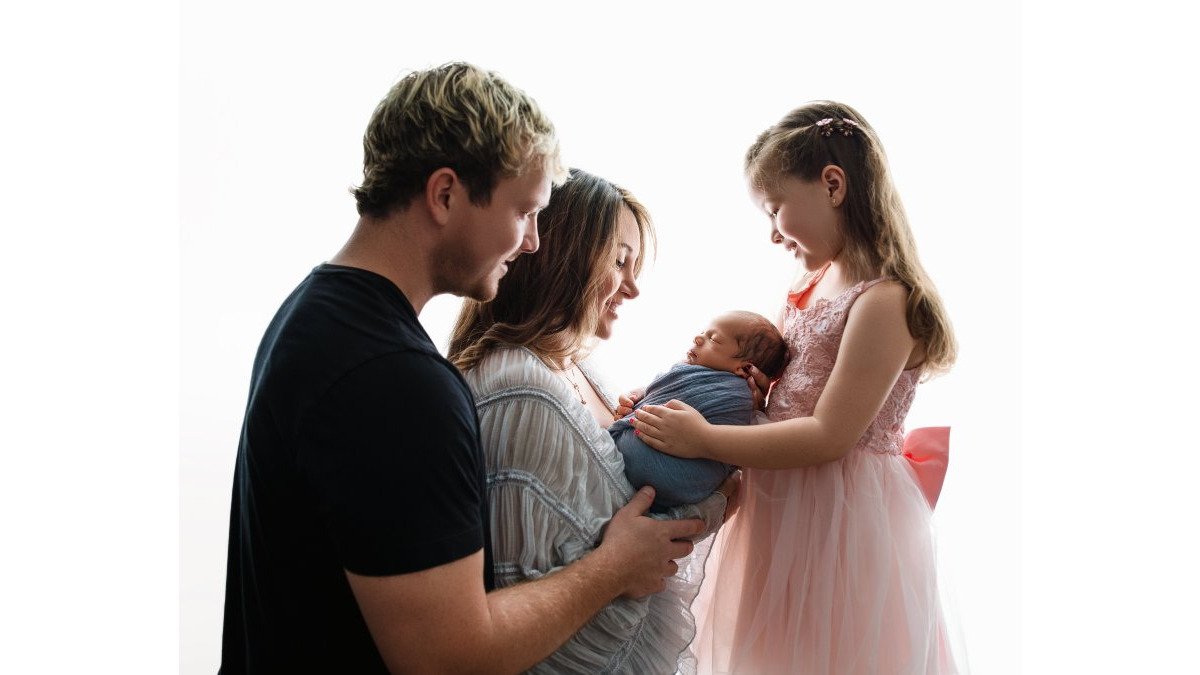
Siblings meeting the baby for the first time
The quiet hour when the room empties out

Those moments are gone in seconds. A camera in the room is the difference between remembering them and hearing about them later.
Birth Photography Questions to Ask Before You Book
Ask any prospective photographer these questions before you sign anything. The answers tell you more about fit than any portfolio will.
1. What happens if you're unavailable when labor starts? A real answer involves a named backup photographer, not a vague promise.
2. How long have you covered births? Experience in clinical settings matters. Rooms are dim, space is tight, and staff need photographers who stay out of the way.
3. What's your on-call window? Ask each photographer to state their on-call start point and how long they remain available until delivery.
4. How do you handle privacy and consent? You should hear a clear, specific answer about who sees the images and how they're stored.
5. What's included in the photography package? Coverage hours, edited images, and how images are delivered should all be in writing.
6. Can we meet before booking? A client consultation protects you both. If a birth photographer won't meet first, that's a warning sign.
When you're ready to talk through coverage options, reach out to our studio for current pricing and a quote.
Building Your Birth Photography Shot List
A birth photography shot list is a short, written list of the moments you most want documented. It's not a script. It's a safety net.
A shot list helps, and here's why: on the day, details are easy to forget. You'll be focused on labor. Your partner will be focused on you. A list makes sure the small things don't slip.
A practical starting list:
The car ride or arrival at the hospital or birth center
Early labor in your room, before things intensify
Your support team: partner, doula, family
Details: the bag, the outfit, the bracelet, the room number
Active labor and delivery
First hold and skin-to-skin contact
Weighing and measuring
Siblings and grandparents meeting the baby
The first feeding
Keep it to your top ten. A list of thirty moments turns documentation into a checklist, and that's not what you want.
Watch out: Some parents hand over a shot list expecting every item to be captured. Birth doesn't follow plans. Treat the list as a priority order, not a guarantee.
Consent, privacy, and what stays off the list
A shot list is also a consent document. Before labor, decide together what you're comfortable having photographed and who may see the images.
Informed consent: Sign a clear image-release form that states who owns the copyright, how images may be used, and how you can withdraw permission later.
Privacy and medical settings: Ask your photographer how images are stored and shared. A common pattern is private, password-protected galleries rather than public posts.
Cultural and personal preferences: Note anything you don't want documented, certain procedures, moments of distress, or family members who shouldn't appear.
Respectful documentation: A good birth photographer reads the room, stays out of the care team's way, and puts the camera down when a moment isn't theirs to capture.
Watch Out Facility rules can override your shot list. Some units restrict photography during procedures or in operating rooms, and staff may ask a photographer to step out. Build flexibility into the list so a restriction doesn't derail the whole session.
Key Takeaway A strong shot list does two jobs: it protects the moments you'd regret missing, and it records what you've agreed to have photographed and shared.
Birth Photography Preparation: What to Do Before Labor
Preparation starts weeks before your due date, and it's mostly logistics plus a few conversations that protect everyone on the day. Get these handled early and the day itself stays calm.
Around 30 to 34 weeks: Book your photographer and confirm the on-call window in writing. Tell your care providers that a photographer will be present so there are no surprises at the door. Ask the facility what its rules are for additional support people in labor and delivery rooms, many hospitals limit how many people can be present, and policies vary by unit and can change shift to shift.
Around 35 weeks: Confirm your shot list and share your birth plan. If you're working with a doula, introduce them to your photographer so the birth team already knows each other. This is also the time to sign any consent and image-release forms and to decide, in advance, what can be shared publicly and what stays private.
Around 36 weeks: Pack a bag that includes something you'd be comfortable being photographed in. Clear, soft colors are generally easier to photograph than busy prints. Charge backup batteries and clear storage cards, low light and long hours drain both faster than most people expect.
The week of: Send a heads-up text when early labor begins. Your photographer will confirm the plan and start heading your way. Agree on a check-in cadence so neither of you is guessing: a text at the first regular contractions, another when contractions are close together, and a call when you're heading to the facility.
Contingency planning for an unpredictable timeline
Labor rarely follows the schedule you imagined, so build a backup plan before you need one.
Long labor: Ask how your photographer handles coverage that runs past the agreed window. A common pattern is a base coverage block with an hourly rate beyond it, agreed in writing.
Rapid delivery: If labor moves fast, your photographer may not arrive in time. Ask whether a phone-based or partner-led photo plan is part of the package so you still have something.
Illness or simultaneous bookings: Confirm that a named backup photographer is available and that you've met or at least seen their work.
Facility restrictions: Some units restrict photography during certain procedures or in operating rooms. Ask your care team what is and isn't allowed so your photographer can plan around it rather than improvise.
Pro Tip Put the on-call number, the backup photographer's name, and your facility's photography policy in one shared note on your phone. On the day, nobody has to search for it.
Many parents also line up trusted local specialists before labor begins.
How Long Does Birth Photography Take?
Birth photography coverage length depends on how long labor takes. A first birth often runs longer than a second, and an induction can stretch the timeline further.
Here's how we structure it:
Phase | Typical Duration | What's Happening |
On-call window | About 4 weeks | Photographer stays ready near your due date |
Active coverage | 8-12 hours | Early labor through delivery |
Immediate postpartum | 1-2 hours | First holds, weighing, family introductions |
Editing and delivery | A few weeks | Gallery prepared and delivered |
What matters more than the total hours is reliable on-call coverage and a reasonable arrival window.
If you want to talk through timing for your due date, reach out to set up a consultation and we'll walk you through it.
Hospital, Home, and Birth Center: How Setting Shapes Your Photos
Where you deliver changes the light, the space, and the mood of your images. None of these settings is better than another. They're just different.
Hospital birth: Rooms are usually dim and compact, with limited natural light. Your photographer works close and quiet, using the available light rather than flash. The result is intimate and documentary.
Home birth: The best light in the house, plus your own space and your own things. Coverage tends to feel warmer and more relaxed, and there's room for family to be present without crowding.
Birth center: A middle ground. Softer than a hospital, more clinical than home, and usually well lit. These sessions often produce the cleanest, calmest images.
If you're recovering from a C-section and planning postpartum photos, positioning matters, and it's worth discussing your comfort needs with your photographer before the session.
What to Expect When You Book a Session
Booking a birth session with us is a conversation first. We start with a consultation so you can ask questions and decide if we're the right fit.
Once you book, here's what happens:
You share your shot list and birth plan
We photograph labor, delivery, and the first hours
You receive a curated gallery
We offer heirloom artwork and installation, so your images can end up on your walls rather than in a folder of unprinted files.
If you'd like to learn how a birth session works, contact us to set up a consultation and we'll walk you through the process.
Birth only happens once per child, and the moments you'd most want to keep are the ones you'll be least able to photograph yourself. That's the honest case for birth photography: not the pictures, but the proof that you were there for all of it. At K-Rae Images, we bring over 12 years of experience, a fully stocked studio, professional hair and makeup, and a couture gown closet to our sessions, so you can focus on your baby while we handle the rest. Reach Out Today! to learn how K-Rae Images can help preserve the first hours of your child's story.
Frequently Asked Questions
How do I prepare for a birth photography session?
Start with a consultation to walk through your birth plan and preferences. Share your shot list, discuss lighting and privacy, and pack a small bag with a comfortable robe and any personal items you want in photos. Confirm your on-call window and backup plan. Most of the work happens before labor, so on the day you can focus on giving birth.
When should I book a birth photographer?
Book as early as your second trimester, since on-call calendars fill up. Waiting until the third trimester narrows availability, especially for due dates around holidays. Early booking also gives you time for a client consultation, birth photography preparation, and a clear contract covering backup coverage and image delivery.
What should I ask a birth photographer before booking?
Ask about on-call coverage, backup plans, hospital policies, and how they handle low light. Confirm turnaround time for your photo gallery, whether prints or albums are included, and how they protect your privacy. These birth photography questions to ask reveal whether their style and approach fit your birth experience.
How long does birth photography take?
Active labor coverage length varies with your labor timeline, and coverage before or after delivery depends on the photographer and package. The session length depends on your labor timeline and package. Ask about on-call windows and any minimum coverage before you book, and plan for unpredictable timing so you are not rushed.


Comments