
Alternatives to Standard Newborn Photography Studios
Table of Contents
Why Families Are Moving Beyond Traditional Studio Photography
In-Home Newborn Photography: Comfort and Intimacy
Lifestyle Newborn Photography: Capturing Real Moments
Newborn Photography at Home vs Studio: Key Differences
When to Book a Newborn Photographer: Timing and Preparation
What to Look for in an Alternative Photography Experience
Making Your Choice: Full-Service vs DIY Approach
Frequently Asked Questions
Last Updated: October 17, 2026
Why Families Are Moving Beyond Traditional Studio Photography
For many expectant parents, the idea of a traditional newborn photography studio conjures images of sterile backdrops, stiff poses, and the stress of coordinating schedules around a newborn's unpredictable needs. Today's families are discovering that alternatives to standard newborn photography studios offer something different: flexibility, comfort, and a more authentic capture of their early days together.
The shift away from studio-only photography reflects a broader change in how families approach milestone moments. Parents want their newborn portraits to feel personal, not posed. They want the process to be relaxing, not another item on an already overwhelming to-do list. Whether it's the intimacy of your own home, the natural energy of lifestyle photography, or a hybrid approach that combines professional expertise with personal comfort, there are meaningful ways to capture your newborn that go beyond what a traditional studio environment typically offers.
In-Home Newborn Photography: Comfort and Intimacy
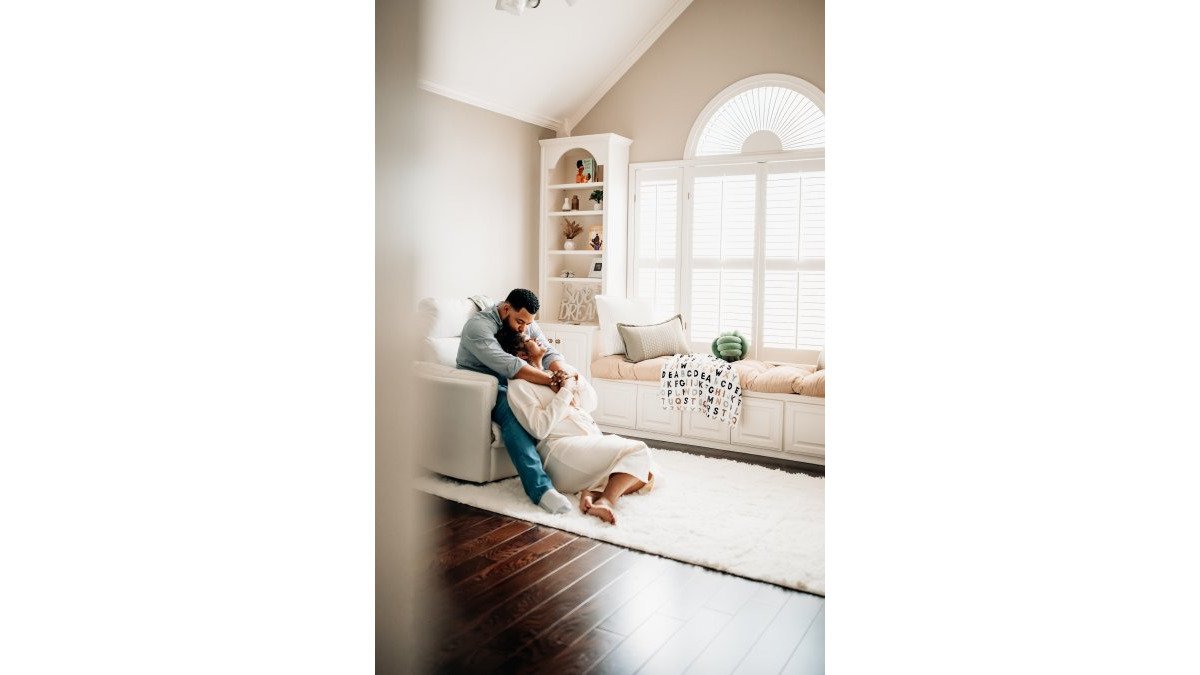
In-home newborn photography brings the photographer into your personal space, where your baby is already comfortable and your family's natural rhythms set the pace. This approach eliminates the stress of traveling with a newborn and creates an environment where genuine moments happen naturally.

The primary advantage is authenticity. Your bedroom, nursery, or living room becomes the backdrop, and the photographer works with the light and spaces you already have. Parents often feel more at ease in their own environment, which translates to more relaxed expressions and genuine interactions. Your baby stays in familiar surroundings, which can mean fewer disruptions and a shorter session overall.
In-home sessions also work well for families recovering from birth or managing siblings at home. There's no pressure to be anywhere at a specific time, and you can take breaks as needed. The photographer adapts to your family's natural flow rather than fitting your family into a studio schedule. This flexibility often results in more candid, emotionally resonant images than what a controlled studio setting might capture.
One consideration: not every home has ideal natural lighting. A skilled photographer knows how to work with available light, but rooms with minimal windows or harsh afternoon sun may require additional equipment or creative timing.
Lifestyle Newborn Photography: Capturing Real Moments
Lifestyle newborn photography focuses on authentic moments rather than posed arrangements. The photographer documents your family interacting naturally: feeding, bonding, playing with siblings, or simply being together. The result is a series of images that tells your family's actual story rather than a curated version.
This style works beautifully in-home or outdoors, depending on your preference and the season. The photographer remains largely unobtrusive, capturing genuine expressions and interactions as they unfold. Many families find that lifestyle images feel more meaningful to revisit years later because they reflect how life actually felt during those early days.
Lifestyle photography requires a photographer who understands how to work without constant direction. You're not posing for every shot, which can feel less formal but also demands trust in the photographer's eye and timing. The trade-off is images that feel alive and true to your family's personality.
Newborn Photography at Home vs Studio: Key Differences
Understanding the differences between newborn photography at home vs studio helps clarify which approach aligns with your priorities and comfort level.
Aspect | At Home | Studio |
Environment | Familiar, personal | Controlled, professional |
Lighting | Natural or mixed | Professionally managed |
Setup Time | Minimal | Moderate to extensive |
Flexibility | High (work around baby's schedule) | Scheduled sessions |
Props & Backdrops | Limited to what you have | Extensive inventory |
Comfort Level | Often higher for families | Can feel formal |
Travel | None required | Requires transport with newborn |
Cost Factors | Varies by photographer | Typically includes studio overhead |
At-home photography eliminates travel stress and works with your family's natural rhythms. Your newborn stays in a familiar environment, which can mean a calmer baby and a shorter session. The images reflect your actual home and family dynamic.
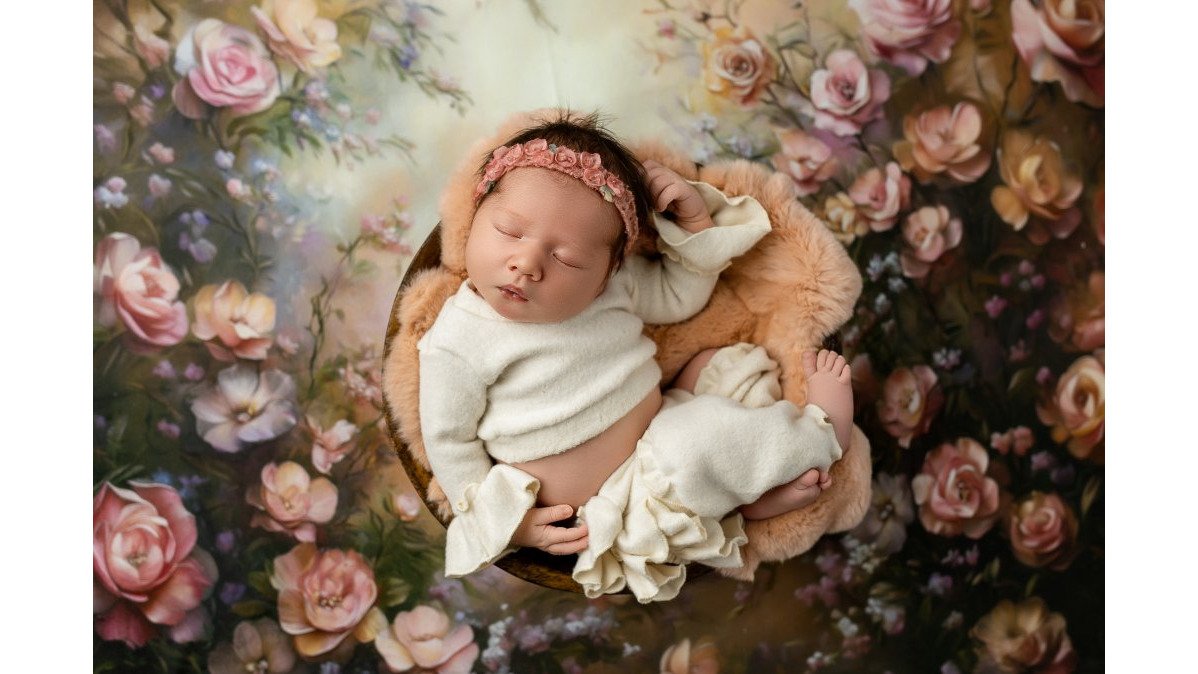
Studio photography offers professional backdrops, specialized props, controlled lighting, and a dedicated space designed for newborn safety and comfort. Studios typically have extensive experience managing newborns and can deliver a polished, consistent aesthetic across all images.
The choice depends on whether you prioritize convenience and authenticity (home) or professional polish and specialized equipment (studio).
When to Book a Newborn Photographer: Timing and Preparation
When to book a newborn photographer matters more than many parents realize. The ideal window for newborn sessions is typically within the first 5-14 days after birth, when babies are sleepiest and most cooperative with posing. However, lifestyle and at-home approaches work well at any point during the first few months.
Many photographers recommend booking during pregnancy so your session is scheduled before your due date. This ensures availability and gives you one less thing to coordinate after birth. If you're planning an at-home or lifestyle session, you have more flexibility, these approaches work beautifully at 2 weeks, 2 months, or anywhere in between.
Preparation varies by session type. For studio sessions, you might coordinate outfits and plan poses in advance. For at-home sessions, simply ensure your space is reasonably tidy and think about which rooms have the best natural light. Lifestyle sessions require minimal prep, just be ready to be natural and present with your family.
Communication with your photographer about timing, your vision, and any specific concerns (recovery from C-section, nursing, managing older siblings) helps ensure the session matches your needs and comfort level.
What to Look for in an Alternative Photography Experience
When evaluating photographers who offer alternatives to standard newborn photography studios, consider these factors:
Experience with newborns. Look for a photographer who specializes in newborn work and understands newborn safety, behavior, and comfort. This matters whether they work in-home or in a studio setting.
Understanding of your preferred style. Some photographers excel at lifestyle work; others are stronger with posed, artistic images. Review portfolios to ensure their aesthetic matches what you're seeking.
Clear communication about the process. A good photographer explains what to expect, how long the session will take, what you should prepare, and how they'll handle common challenges like a fussy baby or unpredictable timing.
Flexibility and problem-solving. Life with a newborn is unpredictable. A photographer who adapts to your baby's needs, works with available light creatively, and doesn't rigidly stick to a plan tends to deliver better results and a less stressful experience.
References or testimonials. Ask for feedback from other families, especially those with similar preferences (at-home sessions, lifestyle work, or specific circumstances like recovery from C-section or managing multiple children).
At K-Rae Images, the focus is on removing stress from the entire experience. The studio provides professional hair and makeup, access to a massive client closet of couture maternity gowns, and handles all the details, refreshments, comfort amenities, and styling, so you can focus on being present with your family. This full-service approach means you're not coordinating logistics; you're simply showing up to have your precious moments captured beautifully.
Making Your Choice: Full-Service vs DIY Approach
Some families hire a professional photographer for a comprehensive session, while others combine professional photography with DIY captures of everyday moments. Each approach has merit.
Full-service photography (whether studio-based or in-home) means a professional handles lighting, composition, posing, and editing. You receive polished, high-quality images ready to display or print. The investment is higher, but the results are typically print-worthy and timeless. Many families view this as an investment in heirloom artwork they'll treasure for decades.
DIY or hybrid approaches involve capturing moments yourself with your phone or camera, supplemented by one or two professional sessions. This works if you're comfortable with photography basics and enjoy the creative process. The trade-off is that phone photos, while meaningful, rarely have the technical quality or artistic polish of professional images.
Many families find the sweet spot is one professional session, whether in-home, lifestyle, or studio, combined with your own daily snapshots. The professional session gives you polished, artistic portraits; your own photos capture the everyday reality of those early weeks.
The shift toward alternatives to standard newborn photography studios reflects what modern families actually need: flexibility, comfort, and an experience that honors both the beauty of the moment and the reality of new parenthood. Whether you choose in-home photography, lifestyle captures, or a full-service studio experience, the goal is the same: creating images that feel true to your family and beautiful enough to treasure forever. Reach Out Today to discuss which approach aligns with your vision and needs.
Frequently Asked Questions
What are the main advantages of in-home newborn photography over studio sessions?
In-home newborn photography eliminates travel stress and allows your baby to remain in a familiar, comfortable environment. Sessions happen where your family feels most relaxed, which often results in more natural expressions and genuine moments. Your home's natural lighting and personal spaces create authentic backdrops that reflect your family's story. Many families find that avoiding studio transitions helps babies sleep better during the shoot, leading to calmer, more natural portraits.
When should you book a newborn photographer to ensure availability?
Book your newborn photographer during your second or third trimester, ideally 6-8 weeks before your due date. This timing secures your preferred session date and gives the photographer adequate notice. Newborn photographers often fill their calendars quickly, especially during peak seasons. Early booking also allows you to discuss your vision, styling preferences, and any special requests well in advance of your baby's arrival.
How does lifestyle newborn photography differ from traditional posed studio sessions?
Lifestyle newborn photography captures candid, unposed moments of your baby in natural settings, often at home during everyday activities. Rather than formal poses on props, these sessions document genuine interactions between family members, your baby's personality, and real-life moments like feeding or sleeping. This approach feels less staged and creates a documentary-style record of your early days together, complementing traditional portraits with authentic, timeless images.
Is it safe to have a professional photographer work with my newborn at home?
Yes, when you work with an experienced newborn photographer. Reputable professionals understand newborn safety, proper handling, temperature control, and how to work with fragile babies. They bring their own props, blankets, and equipment designed specifically for newborn sessions. Before booking, ask about the photographer's experience with newborns, safety protocols, and how they handle fussy or colicky babies. A professional will never rush your baby or force uncomfortable poses.
Reach out Today

Comments